



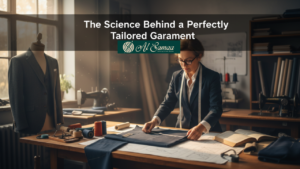
A perfectly tailored garment is more than a piece of clothing that looks good. It is the result of careful measurements, fabric selection, pattern construction, precise stitching, and attention to how the garment moves with the wearer.
Whether it is a corporate uniform, hotel uniform, hospital wear, industrial workwear, or school uniform, the right fit can make a significant difference in comfort, appearance, and performance. At Al Samaa Tailoring, customized uniforms are designed with these factors in mind, combining professional appearance with comfort, durability, and functionality.
But what exactly makes a garment fit perfectly? Let’s explore the science behind it.
1. It Starts With Accurate Measurements
The foundation of a well-fitted garment is accurate measurement.
A tailor needs to consider more than just height, chest, or waist size. Measurements such as shoulder width, sleeve length, arm circumference, inseam, and body proportions all influence how a garment sits on the body.
Even a small measurement difference can affect the final fit. A shirt with the wrong shoulder width may restrict movement, while trousers with an incorrect rise can become uncomfortable during long working hours.
For uniforms, accurate sizing is especially important because employees may wear the same garments for extended periods. Proper measurements help create a fit that feels comfortable while maintaining a professional appearance.
2. Fabric Is Part of the Equation
The fabric used in a garment influences how it fits, feels, and performs.
Different fabrics behave differently. Some fabrics have more flexibility, while others provide greater structure. Breathability, weight, durability, stretch, and maintenance requirements should all be considered before selecting a material.
For example, corporate uniforms may require fabrics that maintain a polished appearance throughout the workday, while industrial uniforms need materials capable of handling demanding working conditions. Healthcare uniforms may require comfortable, easy-care materials suitable for frequent washing.
This is why fabric selection should always be connected to the purpose of the garment.
3. Pattern Making Creates the Shape
Once measurements and fabric requirements are established, the next important stage is pattern development.
A pattern acts as the blueprint of a garment. It determines the shape and proportions of individual pieces before they are cut from fabric.
A well-developed pattern considers body proportions, movement, garment style, and intended use. Precision at this stage helps ensure that the final garment sits correctly on the shoulders, chest, waist, sleeves, and other key areas.
For customized uniforms, pattern development can also take into account different roles and working environments.
4. Construction and Stitching Matter
Two garments can use similar fabrics and measurements but still have different levels of quality. One reason is construction.
Seams, stitching density, hems, collars, cuffs, pockets, buttons, zippers, and other details contribute to the garment’s overall strength and appearance.
Strong and consistent stitching is particularly important for uniforms because they are often worn repeatedly and washed frequently.
At Al Samaa, in-house manufacturing helps maintain control over the production process, from design and development to manufacturing and quality control. This supports consistent finishing across larger uniform orders.
5. Comfort Depends on Movement
A garment can look perfect while standing still but become uncomfortable when the wearer moves.
This is where functional design becomes important.
Uniforms should allow employees to perform their daily responsibilities without unnecessary restriction. Sleeve construction, shoulder design, fabric flexibility, pocket placement, and garment proportions can all influence mobility.
For example, industrial workers may need uniforms that allow frequent bending, stretching, and movement. Hospitality staff may spend long hours walking and interacting with guests. Healthcare professionals may require garments that allow quick and comfortable movement throughout their shifts.
A good uniform therefore needs to be designed around the person wearing it—not simply around how it looks.
6. Balance Between Style and Function
A perfectly tailored garment should balance appearance and practicality.
In a corporate environment, uniforms contribute to a company’s visual identity. Consistent colors, styles, logos, and professional finishing can help create a recognizable brand presence.
In hospitality, uniforms need to communicate professionalism while allowing staff to remain comfortable throughout long shifts.
In industrial environments, functionality and durability may take priority, with features such as practical pockets, reflective elements, and durable construction.
The science of tailoring is therefore not simply about making clothing fit the body. It is about making the garment work for its intended purpose.
7. Proportion Creates a Professional Look
Good tailoring is often noticeable because of what you don’t notice.
When the proportions are right, the garment naturally follows the body without looking too tight or too loose. The shoulder line sits correctly, sleeves fall naturally, collars maintain their shape, and trousers create a balanced silhouette.
For uniforms, consistent proportions across employees also create a more organized and professional team appearance.
This is particularly valuable for businesses where employees interact directly with customers, guests, patients, or clients.
8. Quality Control Brings Everything Together
Even a carefully designed garment requires quality control before it reaches the wearer.
The finished garment should be checked for:
- Accurate sizing
- Stitching consistency
- Seam quality
- Fabric defects
- Color consistency
- Proper placement of logos and branding
- Button and zipper quality
- Overall finishing
- Fit and appearance
Quality control becomes even more important for bulk uniform production, where dozens or hundreds of garments need to maintain consistent standards.
Al Samaa focuses on in-house manufacturing, quality control, customization, and reliable bulk production to deliver consistent uniform solutions for different industries.
9. Customization Makes the Difference
Ready-made garments are produced for general sizing. Customized garments are designed around specific requirements.
For businesses, customization can include:
- Company colors
- Logo embroidery or branding
- Fabric selection
- Department-specific designs
- Different styles for different roles
- Size variations
- Functional features
- Industry-specific requirements
This allows a uniform to become more than workwear—it becomes part of the company’s identity.
Al Samaa provides customized uniform solutions across corporate, healthcare, hospitality, education, security, housekeeping, and industrial sectors.
10. A Perfect Fit Is About the Complete Experience
The science behind a perfectly tailored garment combines several elements:
Measurement + Fabric + Pattern + Construction + Function + Quality Control = Better Fit
If one element is overlooked, the final garment may not deliver the expected result.
A truly successful garment should look professional, feel comfortable, withstand regular use, and support the wearer throughout the day.
Why Choose Al Samaa for Customized Uniforms?
At Al Samaa Tailoring, uniform manufacturing is approached as a complete process rather than simply stitching garments.
From understanding requirements and selecting suitable fabrics to design, sampling, production, and quality control, each stage contributes to the final result.
The company provides customized uniform solutions for corporate offices, hotels, hospitals, schools, security teams, housekeeping departments, and industrial workplaces. Its in-house manufacturing capabilities help maintain consistency and support bulk uniform requirements.
Final Thoughts
A perfectly tailored garment is the result of precision.
Every measurement, seam, fabric choice, pattern, and finishing detail contributes to how the garment looks and feels. When these elements work together, the result is clothing that is comfortable, functional, durable, and professionally finished.
For businesses, this becomes even more important. The right uniform can support employee comfort, strengthen brand identity, and create a consistent professional image.
Looking for customized uniforms designed around your business requirements?
Al Samaa Tailoring provides professional uniform solutions with customization, quality-focused manufacturing, and bulk production capabilities.
Get in touch with Al Samaa Tailoring today and create uniforms that fit your people, your brand, and your workplace.
uniform suppliers in UAE


 Reach us on WhatsApp